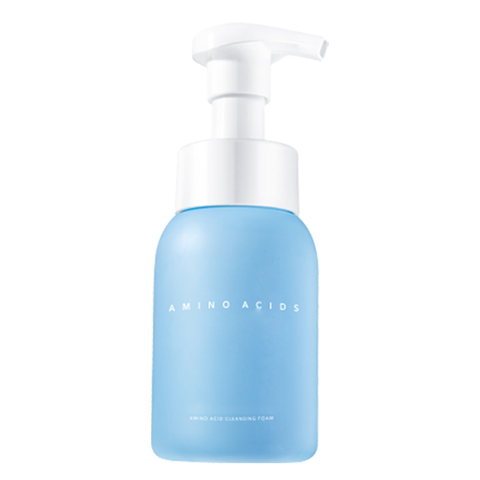
A cleanser starts with the washing experience
Decide the cleansing format, rinse-off experience and dispenser the buyer expects. Compare samples using the same application and rinsing method. An ingredient headline alone does not establish how a cleanser will feel.
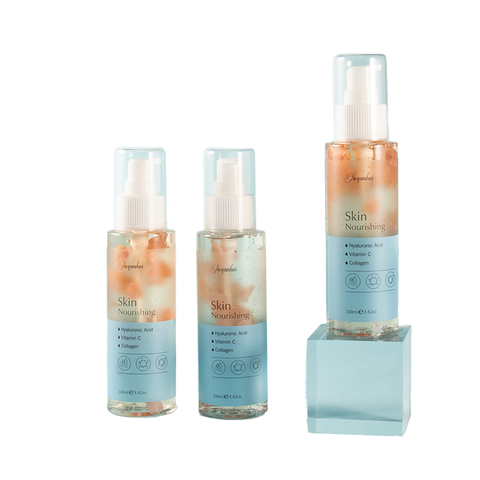
A serum needs a defined place in the routine
Choose one product role and the texture the customer should experience before a moisturizer. Compare application, residue and compatibility with the intended routine. Avoid combining unrelated ingredient messages merely to make the label longer.
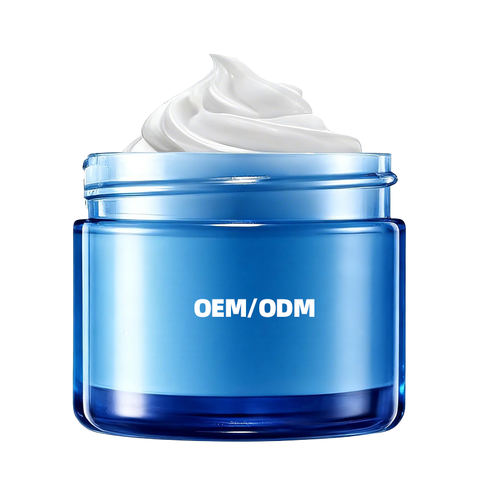
A moisturizer connects texture and packaging
Compare the desired richness, finish and dispensing format. A jar, tube and pump create different packaging and artwork decisions. Confirm the filled sample and net contents before preparing final brand artwork.
Build a focused range instead of duplicate SKUs
For each proposed product, write the routine step, buyer reason to choose it and difference from the other SKUs. If two products cannot be distinguished clearly, keep one in the first brief until sample comparison or customer research supports both.
Turn the selection into one launch brief
Record the chosen reference, fill size, market, quantity and artwork status. Use first-SKU planning for the budget and approval sequence. Product-specific formula or testing requests should be reviewed separately from brand design choices.
Plan the first SKU →
Review the ready-formula route →